The act of restoring, planting, managing and caring for underwater seaweed forests.
Position
Supervisor
Organization
Ocean Wise
The Seaforestation project at Ocean Wise is an emerging conservation initiative focused on the planting and restoration of seaweed in British Colombia and Chile.
I joined this initiative close to it’s inception, and had the pleasure of taking on a lead role in building out the program by fostering relationships, securing funding, and initializing several in-water restoration projects.
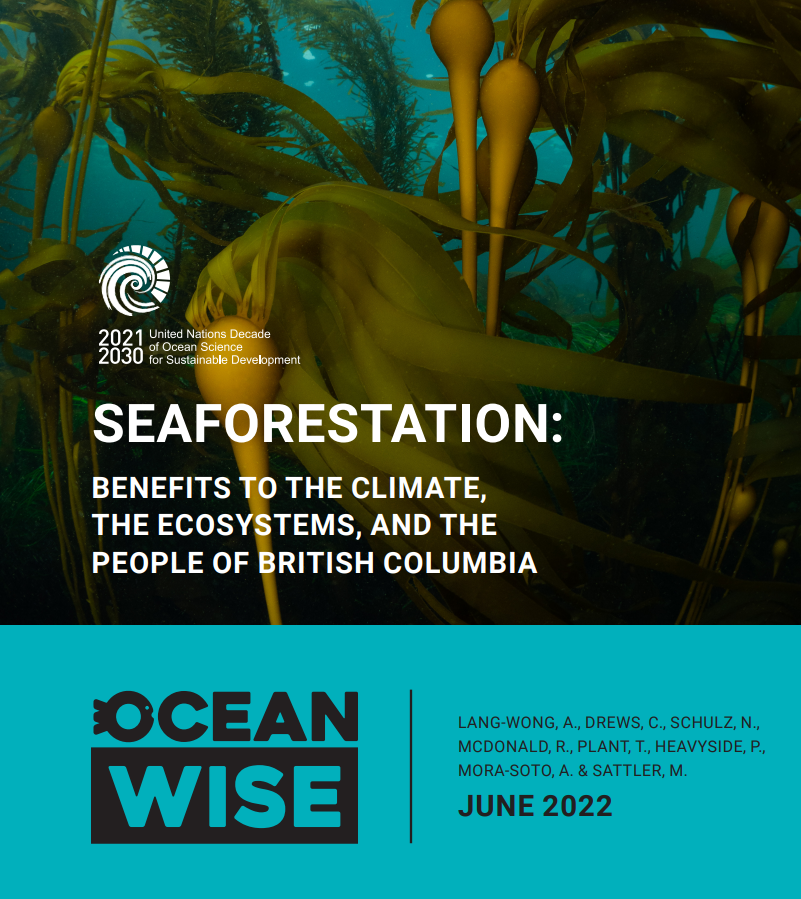
One of our first achievements was the publishing of a state of knowledge report that outlined the potential benefits of expanding seaweed restoration and farming initiatives in British Columbia. Supported by the U.N. Decade of Ocean Science, this report was aimed to communicate the need for kelp protection, restoration, and farming to decision makers and funders.
In the first year of our fundraising efforts, we secured over half a million dollars from a mixture of private and public funding to direct towards restoration work. This helped kicked off our first in-water projects, which included a pilot project in Rainy Bay, B.C.
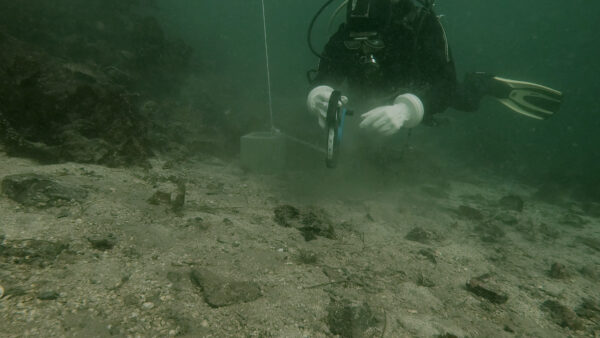
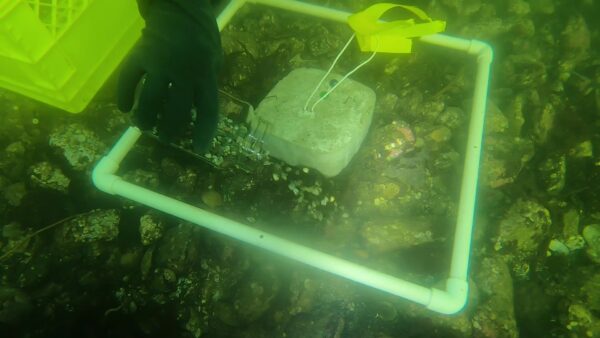
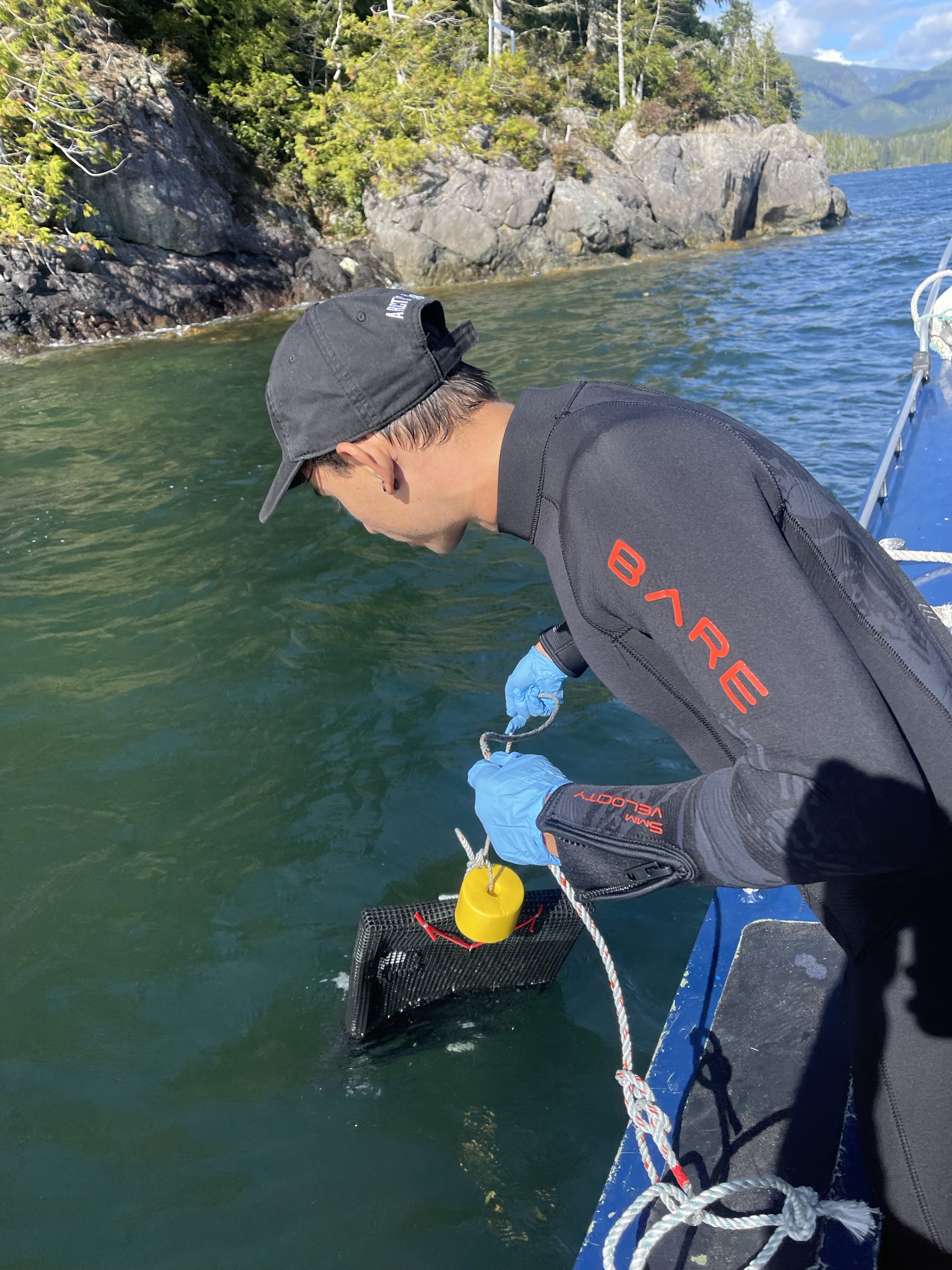
Restoration requires reliable seed production, careful genetic sourcing, and controlled conditions for early-stage kelp growth. To address this need, I led the design, fundraising, and construction of our first kelp nursery within the Pacific Sciences Enterprise Centre in West Vancouver. The nursery was designed as a hub for experimentation, allowing us to test approaches such as green gravel (seeding kelp onto small rocks for deployment onto rocky substrate), refine our protocols, and support restoration projects with coastal Nations and conservation groups. Read more about the PSEC nursery here.
Building on our learnings from the Rainy Bay Green Gravel project, we initialized three additional kelp restoration projects.
These included planting N. luetkeana in Burrard Inlet for Tsleil-Waututh Nation’s Shoreline Adaptation project, with the goal of restoring a kelp bed that had historically populated the area, and to improve water quality and shoreline resilience. This project involved growing seed in the PSEC nursery and out planting using a mixture of restoration methods. The first year served as a methods trial, with continued restoration efforts ongoing.
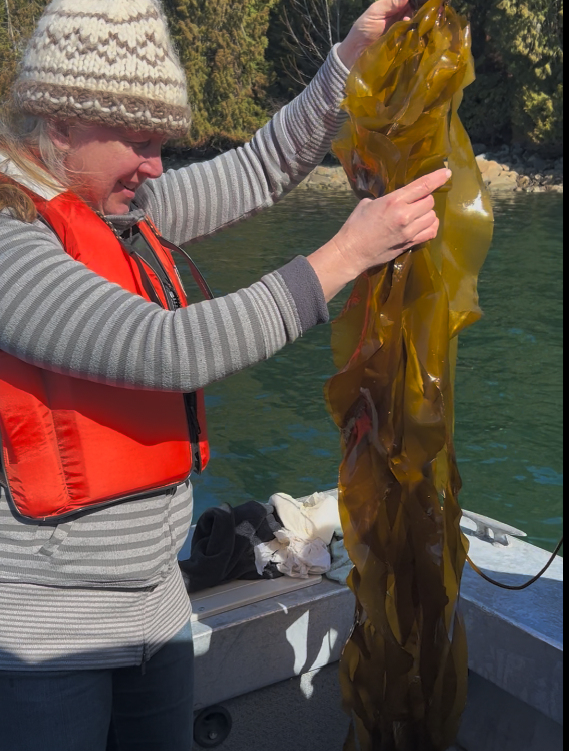
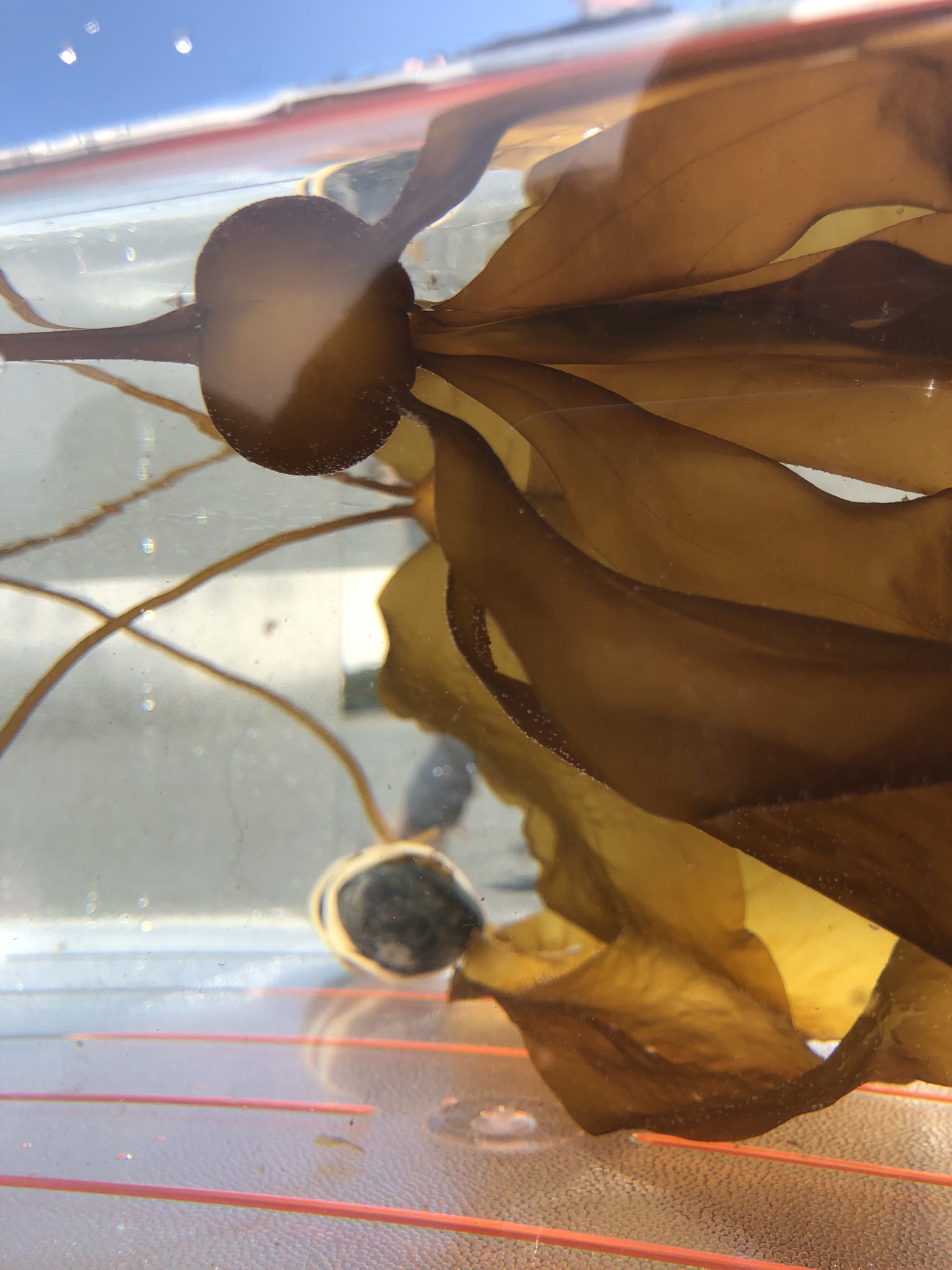
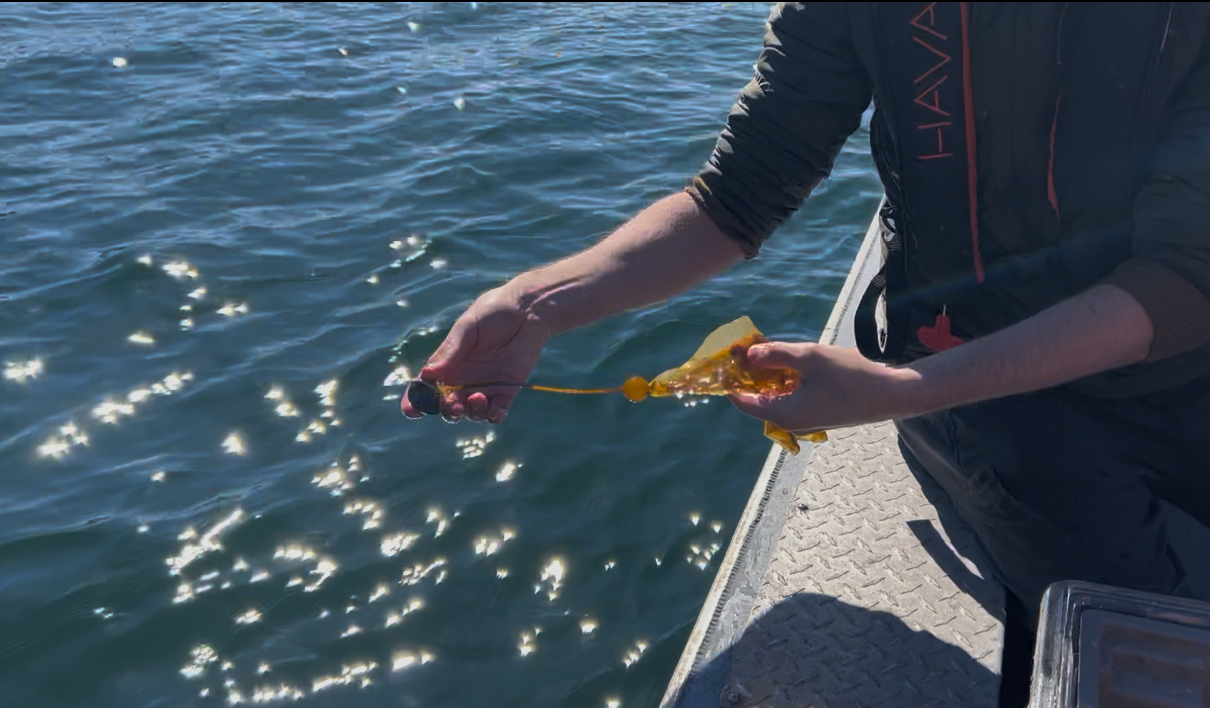
In parallel, we trialed a different restoration approach in Metlakatla waters near Prince Rupert. In collaboration with EcoTrust and the Metlakatla Development Corporation, we deployed seeded lines on an ocean tenure to explore the feasibility of line-based restoration and the transport of nursery-grown sporophytes to remote sites. This work allowed us to test how restoration methods adapted to different ecological and logistical conditions along the coast.
The project surfaced important learnings. We encountered area-specific environmental challenges that shaped survival and growth outcomes, logistical constraints associated with transporting living seed over long distances, and structural limitations within current restoration permitting frameworks.
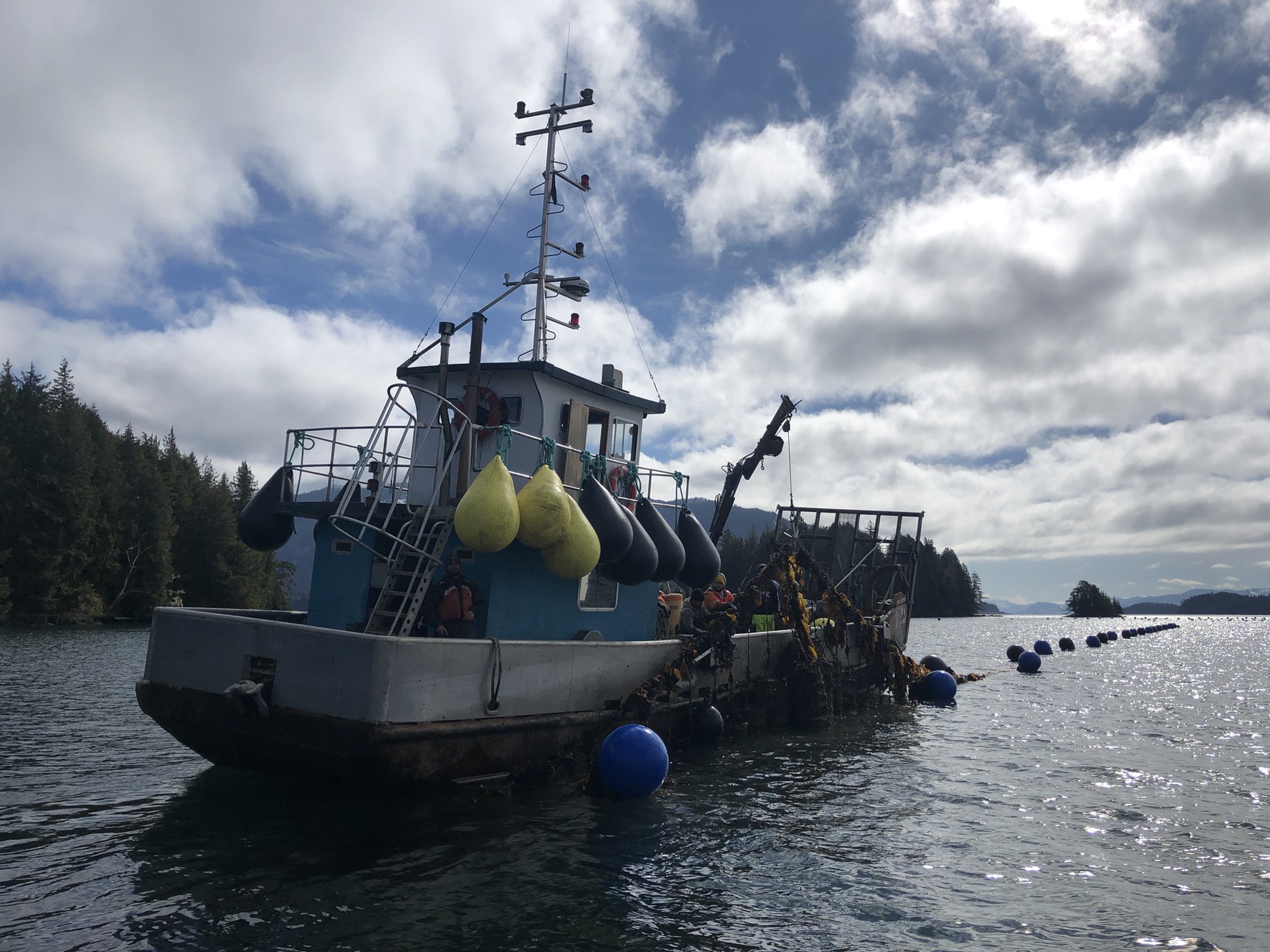
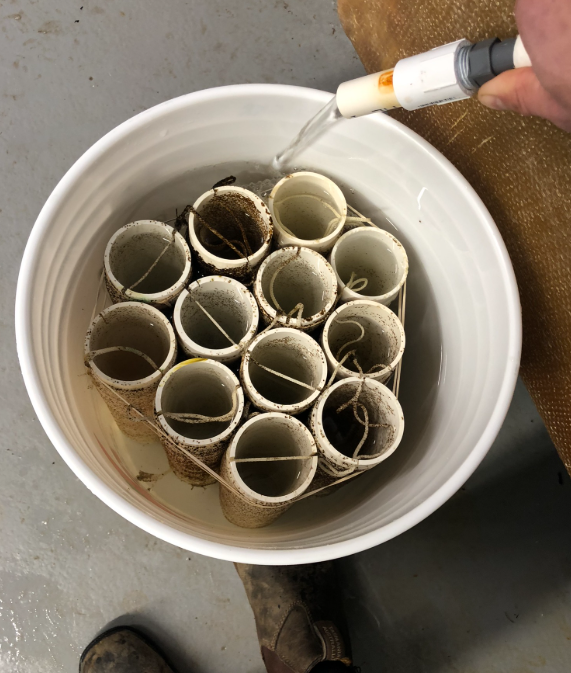
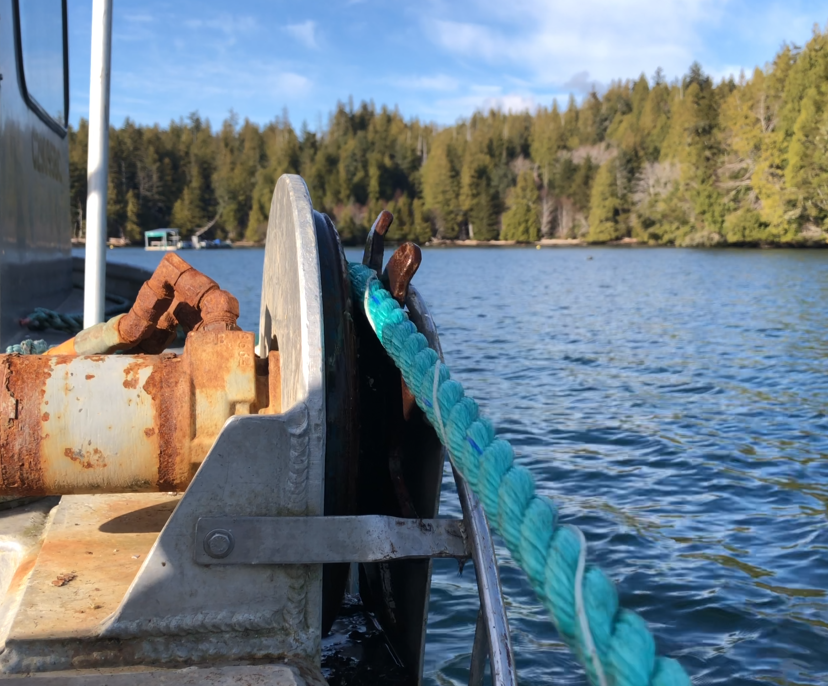
In addition to leading in-water restoration projects, my role at Ocean Wise involved a wide range of responsibilities. I developed research and monitoring protocols, contributed to carbon accounting work, supported grant writing and proposal development, managed budgets, and delivered public presentations. Like many roles in a growing non-profit, it required stepping into many roles.
The successes and the mistakes I experienced in this role taught me about the importance of data-backed decisions, strong relationships, and practical logistics.
 Andrew Lang Wong